Yoga Blocks Take Center Stage as Essential Tools for Safer, Smarter Practice
Yoga blocks, once considered optional accessories, are now widely recognized as essential tools in modern yoga practice. From beginners stepping onto the mat for the first time to experienced practitioners refining alignment, yoga blocks are reshaping how people approach flexibility, balance, and safety. As yoga continues to grow globally in 2026, instructors increasingly emphasize the intelligent use of especially blocks to make yoga more accessible and sustainable.
Yoga Blocks Design
Traditionally made from foam, cork, or wood, yoga blocks are designed to bring the floor closer to the body. This simple concept has had a significant impact on how poses are practiced. Instead of forcing the body into deep stretches, blocks allow practitioners to meet their current level of flexibility while maintaining correct alignment. This approach reduces the risk of injury and encourages long-term progress.
Yoga Blocks For Flexibility
One of the most common uses of yoga blocks is to support flexibility. In poses such as Standing Forward Fold, Triangle Pose, or Extended Side Angle, many practitioners struggle to reach the floor without rounding the spine or straining the hamstrings. Placing a block under the hands provides height and stability, allowing the spine to stay long and the pose to feel controlled rather than forced. Yoga teachers note that this modification helps students focus on alignment and breath instead of discomfort.
Yoga Blocks For Stability
Balance is another area where yoga blocks play a critical role. Standing poses like Half Moon, Revolved Triangle, and Warrior III demand strength and stability, which can be challenging for beginners or those recovering from injury. Using a block under one hand offers extra support, helping practitioners find balance while gradually building confidence. Instructors often encourage students to lower the block height over time as strength and coordination improve.
Yoga Blocks For Comfort Poses
Comfort is equally important, particularly in seated and restorative poses. Sitting directly on the floor can cause the pelvis to tilt backward, leading to poor posture and lower-back strain. Elevating the hips by sitting on a yoga block helps align the spine naturally, making poses like Seated Forward Fold, Easy Pose, and meditation more comfortable and sustainable. This small adjustment can significantly improve posture and breathing, especially during longer holds.
Yoga Blocks For Safety
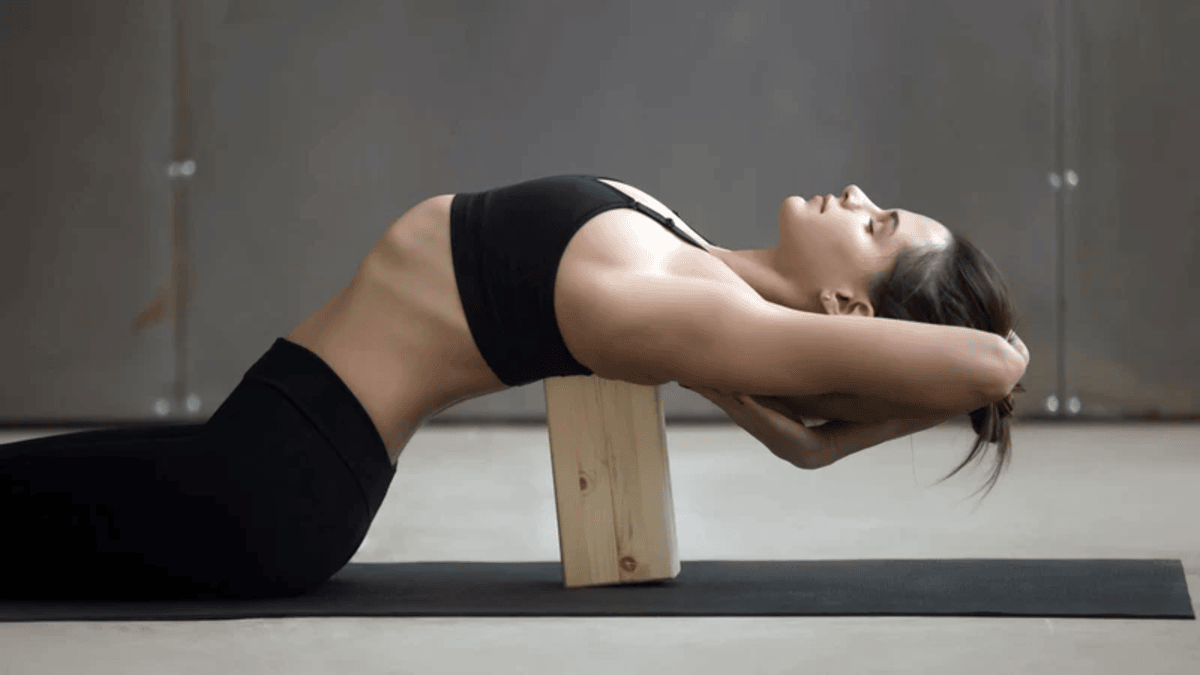
Yoga blocks are also widely used in restorative yoga, where relaxation and gentle support are the primary goals. Blocks placed under the back, hips, or legs can help the body release tension without muscular effort. For example, placing a block under the sacrum in a supported bridge pose allows the spine to decompress while promoting relaxation. This use of blocks has gained popularity among people seeking stress relief, injury recovery, and therapeutic benefits.
Yoga Blocks For Versatility
A key advantage of yoga blocks is their versatility. Most blocks can be used at three different heights—low, medium, or tall—depending on the pose and individual needs. This adaptability makes them suitable for all body types and experience levels. Yoga professionals emphasize that using a higher block is not a sign of weakness but a sign of mindful practice.
As yoga becomes more inclusive, blocks are helping break the misconception that flexibility is a requirement to begin yoga. Instead, they reinforce the idea that yoga is about awareness, alignment, and self-respect. Many studios now encourage students to start every class with blocks nearby, treating them as standard equipment rather than special aids.
Points to Using Yoga Blocks During Yoga
Yoga blocks are supportive props that help improve balance, alignment, flexibility, and comfort, especially for beginners or those with limited mobility.
1. Support Flexibility
Place a block under your hands in poses like Forward Fold or Triangle to reduce strain and maintain proper form.
2. Improve Balance
Use a block under one hand in standing poses such as Half Moon or Side Angle for added stability.
3. Increase Comfort
Sit on a block in seated poses to elevate the hips, reduce knee pressure, and support an upright spine.
4. Assist Restorative Poses
Position blocks under the back, hips, or legs in restorative poses to relax muscles and hold poses longer.
5. Adjust Height
Blocks have three height levels. Choose the height that feels supportive without forcing the stretch.