White Lotus Yoga is more than a beautiful phrase—it reflects a deep yogic philosophy rooted in purity, awareness, and inner transformation. In today’s fast-paced world, many people look for mindful practices that offer both physical health and mental clarity. White Lotus Yoga fits this need by blending traditional yogic wisdom with a calm, introspective approach.
In this guide, you’ll learn what White Lotus Yoga means, where it comes from, how it works, and why it matters today. The goal is simple: give you a clear, reliable, and human-friendly understanding without exaggeration or fluff.
What Is White Lotus Yoga?
White Lotus Yoga is not a single rigid system like some modern yoga styles. Instead, it represents a symbolic and philosophical approach inspired by the white lotus flower, a powerful image in yogic and spiritual traditions.
In yoga philosophy, the lotus stands for:
- Purity rising from difficulty
- Spiritual awakening
- Growth through discipline
The “white” lotus specifically symbolizes clarity, peace, and higher consciousness.
Many Yoga teachers and yoga communities use the term “White Lotus Yoga” to describe practices that focus on:
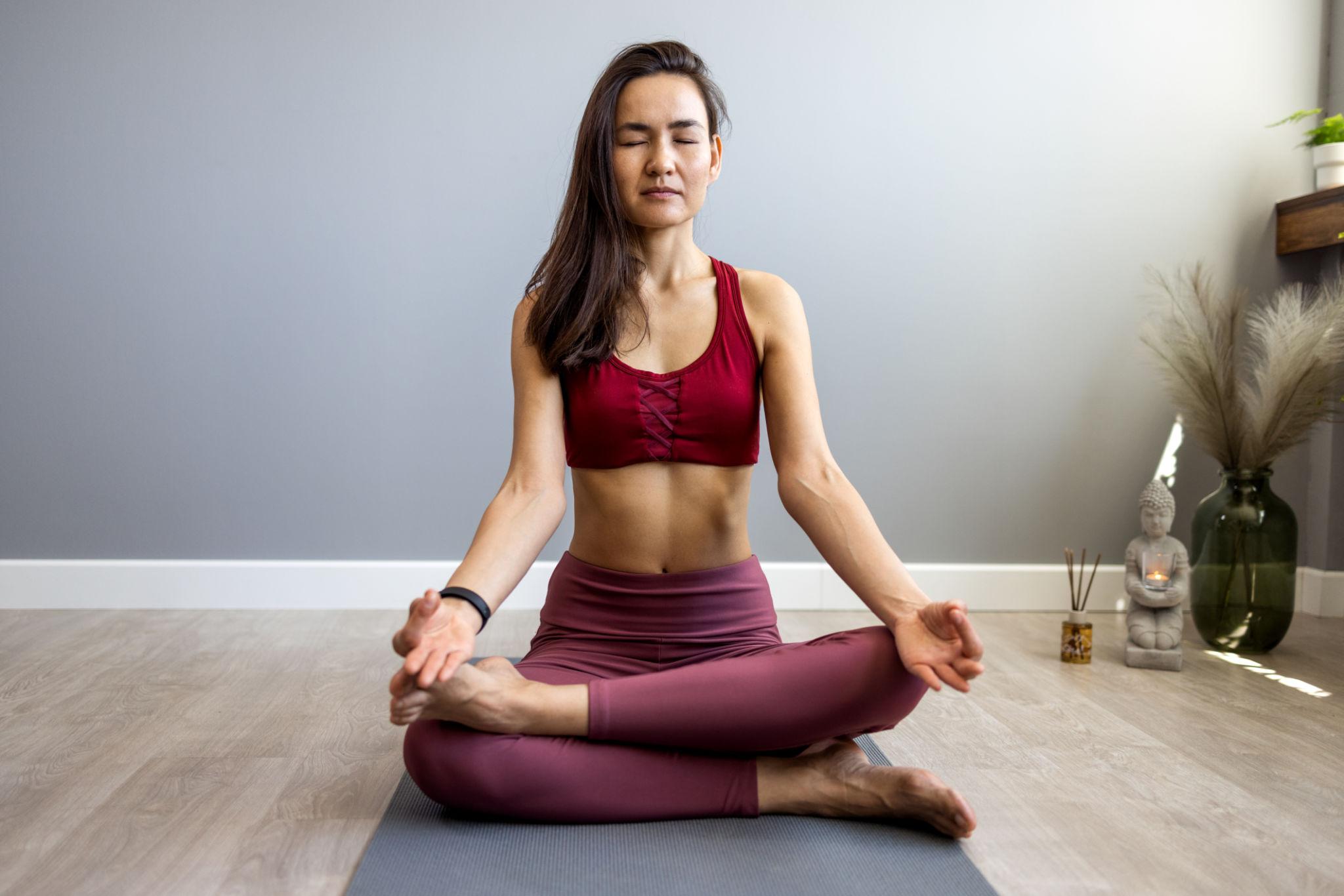
- Gentle, mindful movement
- Breath awareness (pranayama)
- Meditation and inner stillness
- Emotional and spiritual balance
This approach aligns closely with classical yoga texts like the Yoga Sutras of Patanjali, which emphasize mental clarity and self-realization over physical performance.
The Symbolism of the White Lotus in Yoga
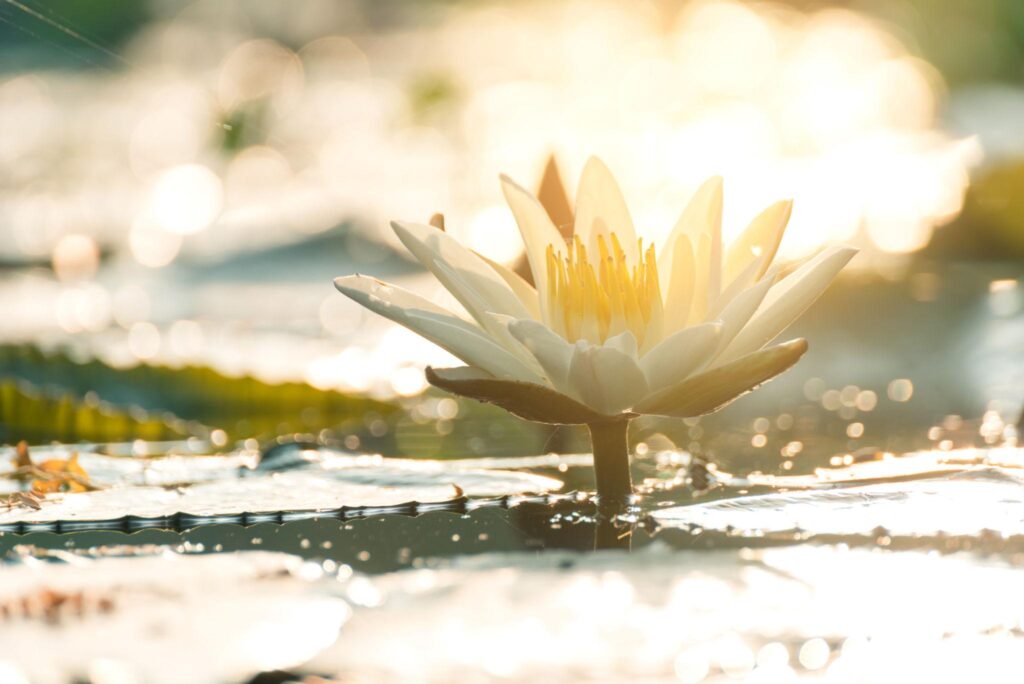
The lotus grows in muddy water but blooms clean and untouched. This natural process mirrors human life.
In yogic thinking:
- Mud represents challenges, stress, and distractions
- Water represents the mind
- The blooming lotus represents awareness and growth
The white lotus adds another layer. It points toward mental clarity and spiritual purity, not perfection.
This idea appears across Indian traditions, including teachings in the Bhagavad Gita, where detachment and inner discipline play a central role.
Origins and Philosophical Roots
White Lotus Yoga draws from classical yoga rather than a single founder or brand. Its foundation comes from:
- Raja Yoga – the path of meditation and mind control
- Hatha Yoga – physical practices that prepare the body
- Vedantic philosophy – understanding the self beyond the body
The concept of inner purity and awareness connects directly to Patanjali, whose Yoga Sutras describe yoga as:
“Yoga is the stilling of the fluctuations of the mind.”
8 Yoga Poses to Ease Hip Tightness and Improve Flexibility
This definition shapes the essence of White Lotus Yoga. It focuses less on complex poses and more on awareness, breath, and mental balance.
Core Principles of White Lotus Yoga
White Lotus Yoga follows a few clear principles. These are not trends—they come from traditional yoga philosophy.
1. Mindfulness Over Intensity
The goal is not extreme flexibility. The goal is awareness in every movement and breath.
2. Breath as the Anchor
Breathing techniques (pranayama) guide the practice. Slow, controlled breathing helps regulate the nervous system.
3. Inner Stillness
Meditation is not optional—it is central. Even short sessions can improve focus and reduce stress.
4. Balance Between Body and Mind
Physical postures support mental clarity, not the other way around.
5. Consistency Over Perfection
Daily practice, even for 10–15 minutes, works better than occasional intense sessions.
Key Practices in White Lotus Yoga

White Lotus Yoga includes simple but effective practices. These work for beginners and experienced practitioners alike.
Gentle Asanas (Postures)
You won’t find extreme poses here. Instead, the focus stays on:
- Seated stretches
- Slow forward bends
- Basic spinal movements
These improve flexibility without strain.
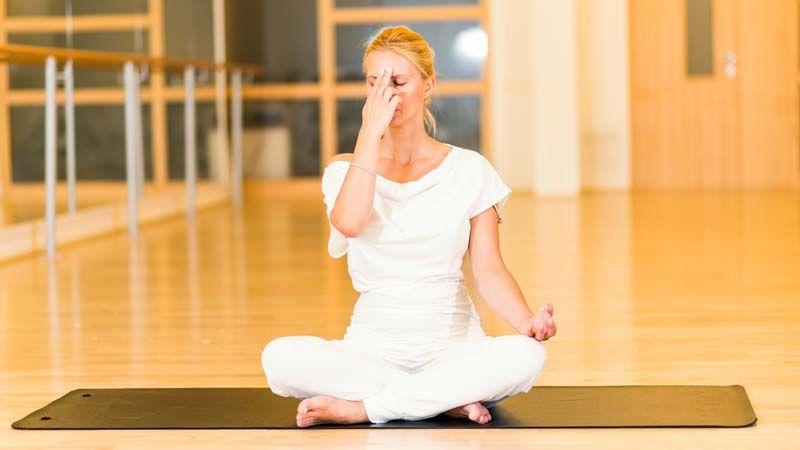
Pranayama (Breathing)
Breathing techniques play a major role. Common practices include:
- Deep diaphragmatic breathing
- Alternate nostril breathing (Nadi Shodhana)
- Slow rhythmic breathing
According to the National Center for Complementary and Integrative Health, controlled breathing can reduce stress and improve overall well-being.
Meditation
Meditation helps train attention and emotional balance. Even 5–10 minutes daily can make a difference.
Relaxation (Shavasana)
This final step allows the body and mind to absorb the benefits of practice.
Benefits of White Lotus Yoga
White Lotus Yoga offers practical benefits backed by research on yoga and mindfulness practices.
1. Reduces Stress and Anxiety
Studies from Harvard Medical School show that yoga and meditation can lower stress hormones and calm the nervous system.
2. Improves Mental Clarity
Mindful breathing and meditation improve focus and cognitive function.
3. Supports Physical Health
Gentle movement improves:
- Flexibility
- Joint mobility
- Blood circulation
4. Enhances Emotional Balance
Regular practice helps manage mood swings and improves emotional awareness.
5. Better Sleep Quality
Slow breathing and relaxation techniques can improve sleep patterns.
White Lotus Yoga vs Modern Yoga Styles
Many people confuse White Lotus Yoga with popular fitness-based styles. The difference is clear.
| Aspect | White Lotus Yoga | Modern Fitness Yoga |
|---|---|---|
| Focus | Mind + Awareness | Physical Fitness |
| Intensity | Gentle | Moderate to High |
| Goal | Inner clarity | Strength & flexibility |
| Pace | Slow | Fast or dynamic |
White Lotus Yoga suits people who want calmness, not competition.
Who Should Practice White Lotus Yoga?
This style works for a wide range of people.
- Beginners starting yoga
- People dealing with stress or burnout
- Older adults who need low-impact exercise
- Meditation seekers
- Anyone looking for mental clarity
If you prefer calm over intensity, this approach will feel natural.
How to Start White Lotus Yoga (Beginner Guide)
Starting is simple. You don’t need expensive gear or advanced skills.
Step 1: Create a Calm Space
Choose a quiet area with minimal distractions.
Step 2: Start with 10–15 Minutes
Begin with:
- 5 minutes breathing
- 5 minutes gentle movement
- 5 minutes meditation
Step 3: Focus on Breath
Keep your breathing slow and steady.
Step 4: Stay Consistent
Practice daily. Consistency matters more than duration.
Step 5: Avoid Overthinking
You don’t need perfect posture. You need awareness.
Common Mistakes to Avoid
Even simple practices can go wrong if done carelessly.
- Trying to rush progress
- Ignoring breathing techniques
- Comparing with others
- Skipping relaxation phase
- Practicing without focus
White Lotus Yoga works best when you stay patient and mindful.
Modern Relevance of White Lotus Yoga
In today’s digital lifestyle, stress levels are high. People spend long hours on screens, deal with constant notifications, and often ignore mental health.
White Lotus Yoga offers a practical solution:
- It requires little time
- It fits into daily routines
- It improves both mental and physical health
That’s why mindfulness-based practices have gained global recognition. Organizations like the World Health Organization highlight stress management as a key part of overall well-being.
Final Thoughts
White Lotus Yoga is simple, but not shallow. It combines ancient wisdom with modern needs.
It teaches you how to:
- Slow down
- Breathe better
- Stay aware
- Handle stress calmly
You don’t need advanced poses or long sessions. You need consistency and attention.
If you approach it with patience, White Lotus Yoga can become a powerful daily habit—one that supports both your body and your mind without unnecessary complexity.
FAQs About White Lotus Yoga
What makes White Lotus Yoga different?
It focuses more on mindfulness and inner awareness than physical intensity.
Is White Lotus Yoga good for beginners?
Yes. Its gentle approach makes it ideal for beginners.
Do I need special equipment?
No. A simple yoga mat and quiet space are enough.
How often should I practice?
Daily practice, even for 10–15 minutes, works best.
Is it scientifically supported?
Yes. Research from institutions like Harvard Medical School supports the benefits of yoga and meditation for stress and mental health.