Pregnancy changes everything—your body, your energy, even how you sit and sleep. Yoga for pregnant women offers a simple way to stay active, reduce discomfort, and feel more in control during these changes.
But here’s the key prenatal yoga is not regular yoga with a bump. It requires the right approach, safe movements, and clear awareness of your body.
This guide explains how to practice yoga safely during pregnancy, what benefits you can expect, and which poses to avoid. Everything here follows reliable medical guidance and practical logic—no myths, no shortcuts.
What Is Yoga for Pregnant Women?
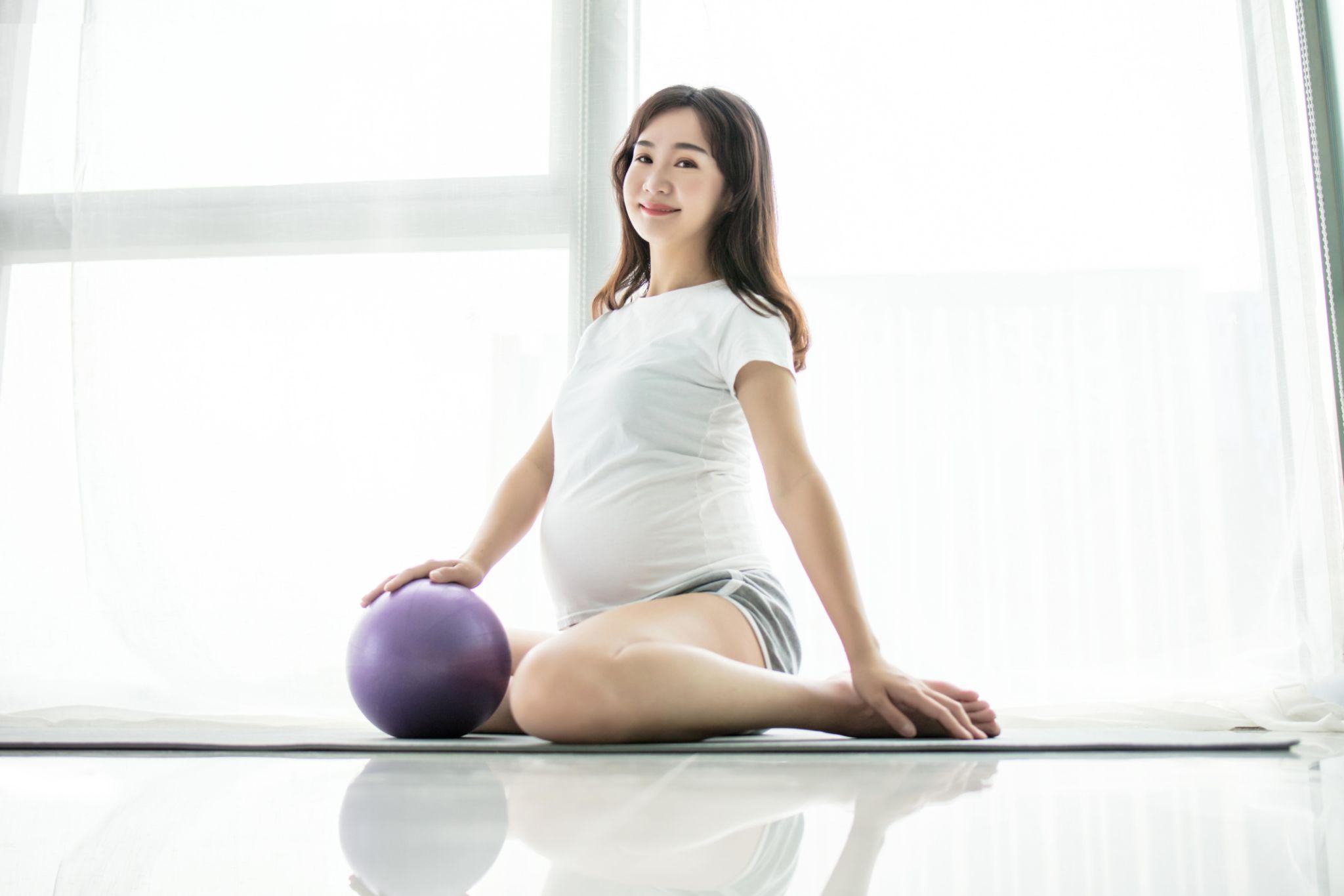
Yoga for pregnant women—often called prenatal yoga—is a modified form of yoga designed to support the body during pregnancy.
It focuses on:
- Gentle stretching
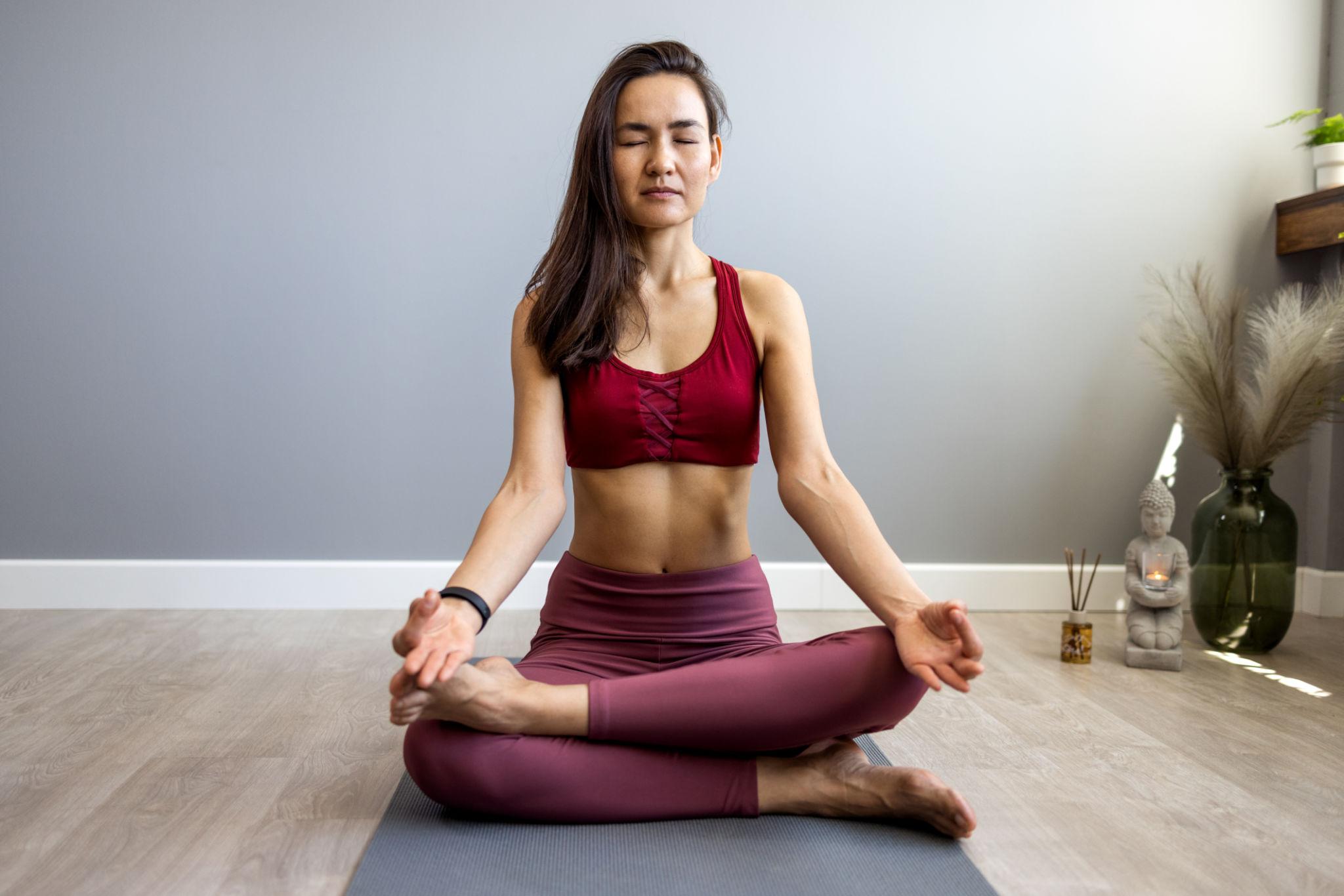
- Controlled breathing
- Relaxation techniques
- Pelvic and back support
Unlike standard yoga, prenatal yoga avoids pressure on the abdomen and reduces risk of strain.
According to American College of Obstetricians and Gynecologists, moderate physical activity during pregnancy benefits most women when done safely.
Is Yoga Safe During Pregnancy?
In most cases, yes. Medical guidance from National Health Service supports gentle exercise during pregnancy, including yoga, for healthy individuals.
However, safety depends on:
- Your trimester
- Your overall health
- Your doctor’s advice
Always consult your doctor before starting or continuing yoga during pregnancy.
Benefits of Yoga for Pregnant Women
1. Reduces Back Pain and Discomfort
Pregnancy shifts your center of gravity. This often causes back pain. Gentle yoga stretches can relieve pressure and improve posture.
2. Improves Breathing and Relaxation
Breathing exercises help you stay calm and manage stress. They can also support you during labor.
3. Supports Better Sleep
Many pregnant women struggle with sleep. Relaxation-based yoga can improve sleep quality.
4. Enhances Flexibility and Strength
Yoga keeps muscles active without overloading the body.
5. Helps Manage Stress and Anxiety
Research from Harvard Medical School shows that yoga can reduce stress and improve emotional well-being.
Trimester-Wise Yoga Guide
First Trimester (Weeks 1–12)
Focus on:
- Light stretching
- Breathing exercises
- Avoiding fatigue
Avoid:
- Intense workouts
- Overheating
Your body is adjusting, so keep things simple.
Second Trimester (Weeks 13–28)
This is often the most comfortable phase.
Focus on:
- Balance and posture
- Gentle strengthening
- Supported poses
Avoid:
- Deep twists
- Lying flat on your back for long periods
Third Trimester (Weeks 29–40)
Focus on:
- Relaxation
- Breathing for labor
- Gentle movement
Avoid:
- Complex poses
- Anything that strains your balance
Comfort becomes your priority.
Best Yoga Poses for Pregnant Women
1. Cat-Cow Stretch
Benefits: Relieves back tension
- Come on hands and knees
- Alternate between arching and rounding your back
- Move slowly with your breath
2. Butterfly Pose
Benefits: Opens hips
- Sit comfortably
- Bring soles of feet together
- Let knees drop gently
3. Child’s Pose (Modified)
Benefits: Relaxation
- Knees wide apart
- Rest your torso forward
- Use pillows for support
4. Side-Lying Relaxation
Benefits: Reduces pressure on the body
- Lie on your side
- Use pillows for support
5. Pelvic Tilts
Benefits: Strengthens lower back
- Stand against a wall
- Gently tilt pelvis forward and back
Breathing Techniques for Pregnancy
Breathing matters more than you think.
Deep Belly Breathing
- Inhale slowly through your nose
- Expand your belly gently
- Exhale slowly
This helps calm your nervous system.
Controlled Exhale Breathing
- Inhale normally
- Exhale longer than you inhale
This technique supports relaxation and labor preparation.
Yoga Poses to Avoid During Pregnancy
Avoid these for safety:
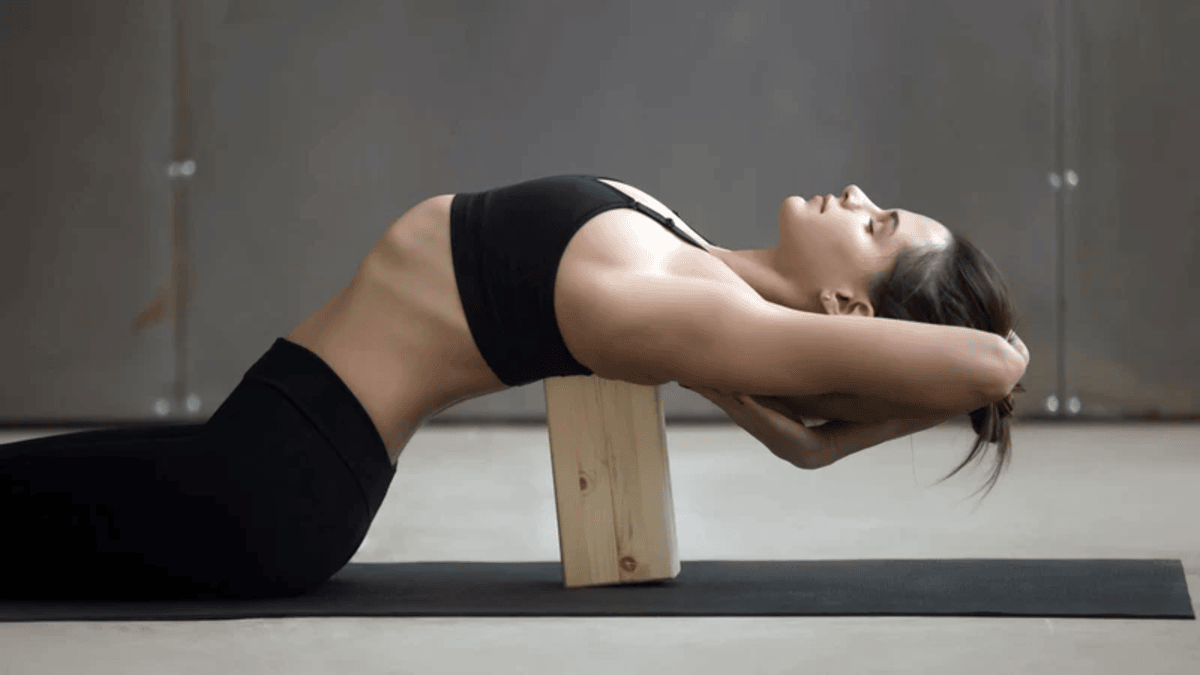
- Deep backbends
- Strong twists
- Lying flat on your back (after first trimester)
- Intense core exercises
- Hot yoga or overheating environments
These can increase risk or discomfort.
How Often Should You Practice?
Aim for:
- 3–4 sessions per week
- 15–30 minutes per session
Consistency matters more than duration.
Even short sessions can make a difference.
Tips for Safe Prenatal Yoga Practice
Listen to Your Body
If something feels uncomfortable, stop immediately.
Stay Hydrated
Drink water before and after sessions.
Use Support
Pillows, blocks, and chairs improve safety and comfort.
Avoid Overstretching
Pregnancy hormones increase flexibility, which can lead to strain.
Practice in a Calm Environment
A quiet space helps you stay relaxed and focused.
Common Mistakes to Avoid
- Following regular yoga routines without modification
- Ignoring medical advice
- Pushing for flexibility
- Skipping warm-up and relaxation
- Comparing yourself to others
Pregnancy is not the time for competition.
Yoga and Mental Health During Pregnancy
Pregnancy can bring emotional ups and downs. Yoga helps you stay grounded.
Organizations like the World Health Organization highlight the importance of mental well-being during pregnancy.
Yoga supports:
- Emotional balance
- Stress reduction
- Better mood stability
Even a few minutes of mindful breathing can help.
Final Thoughts
Yoga for pregnant women is not about perfect poses. It’s about feeling better—physically and mentally.
It helps you:
- Reduce discomfort
- Stay active safely
- Prepare for labor
- Build a stronger mind-body connection
Keep it simple. Keep it safe. And yes—take it slow.
Your body is already doing something incredible.
FAQs About Yoga for Pregnant Women
Can beginners do prenatal yoga?
Yes. Prenatal yoga is beginner-friendly.
Is yoga safe in all trimesters?
Usually yes, but always consult your doctor.
Can yoga help with labor pain?
Breathing techniques may help manage pain.
Do I need special equipment?
No, but props like pillows can improve comfort.
When should I stop yoga during pregnancy?
Stop immediately if you feel pain, dizziness, or discomfort and consult your doctor.