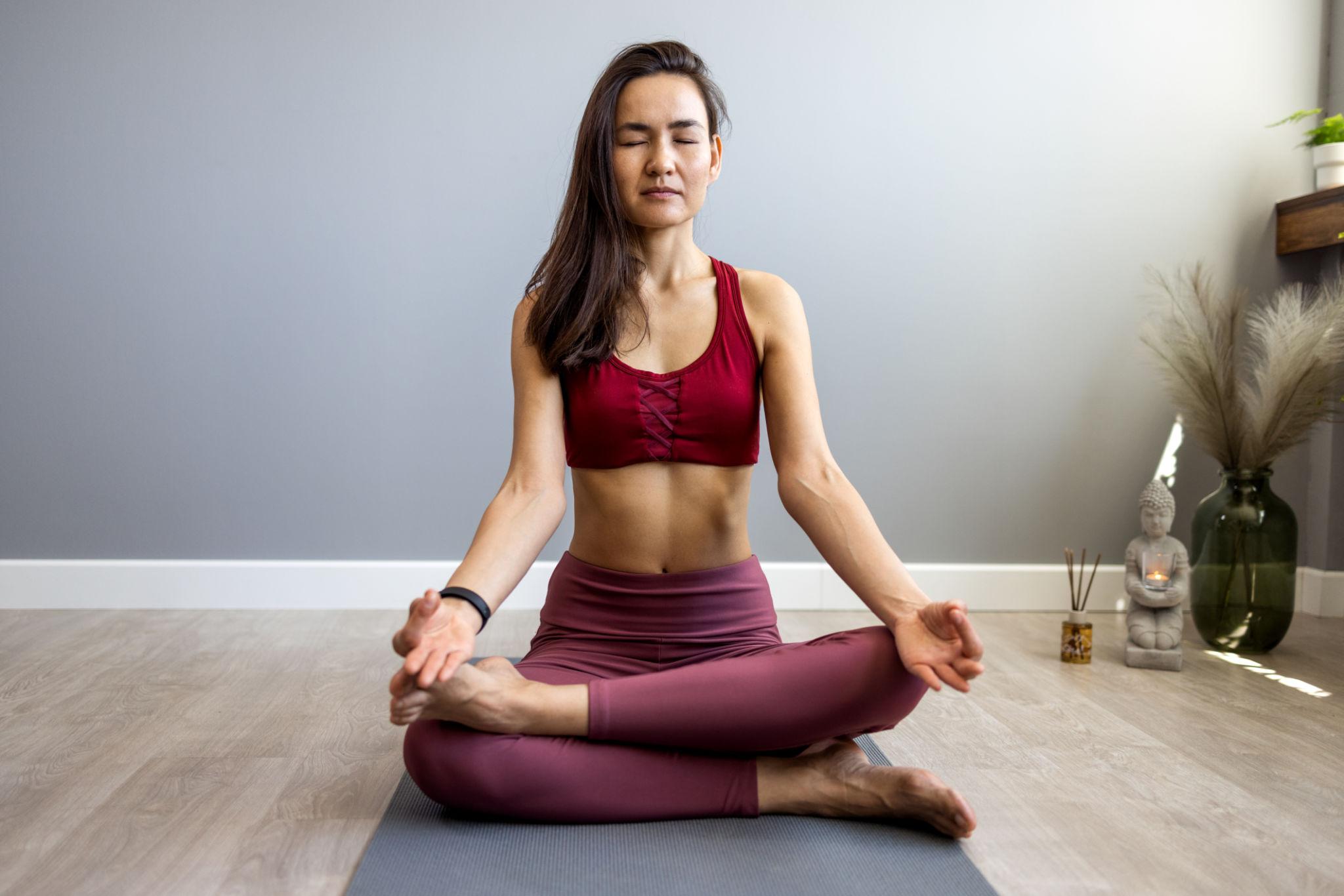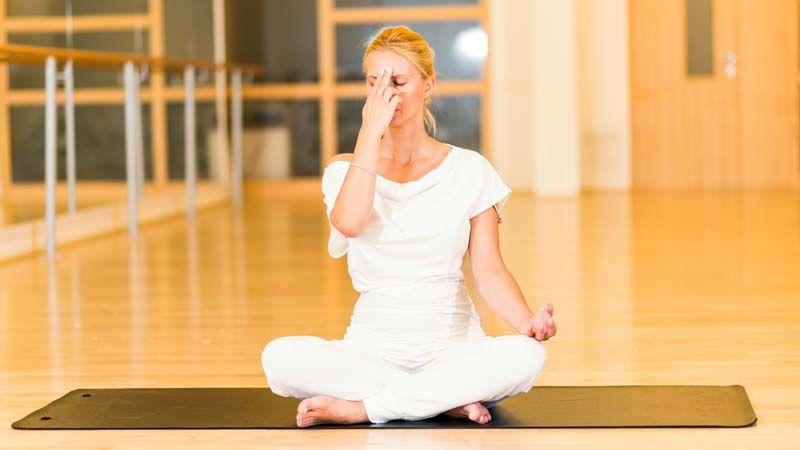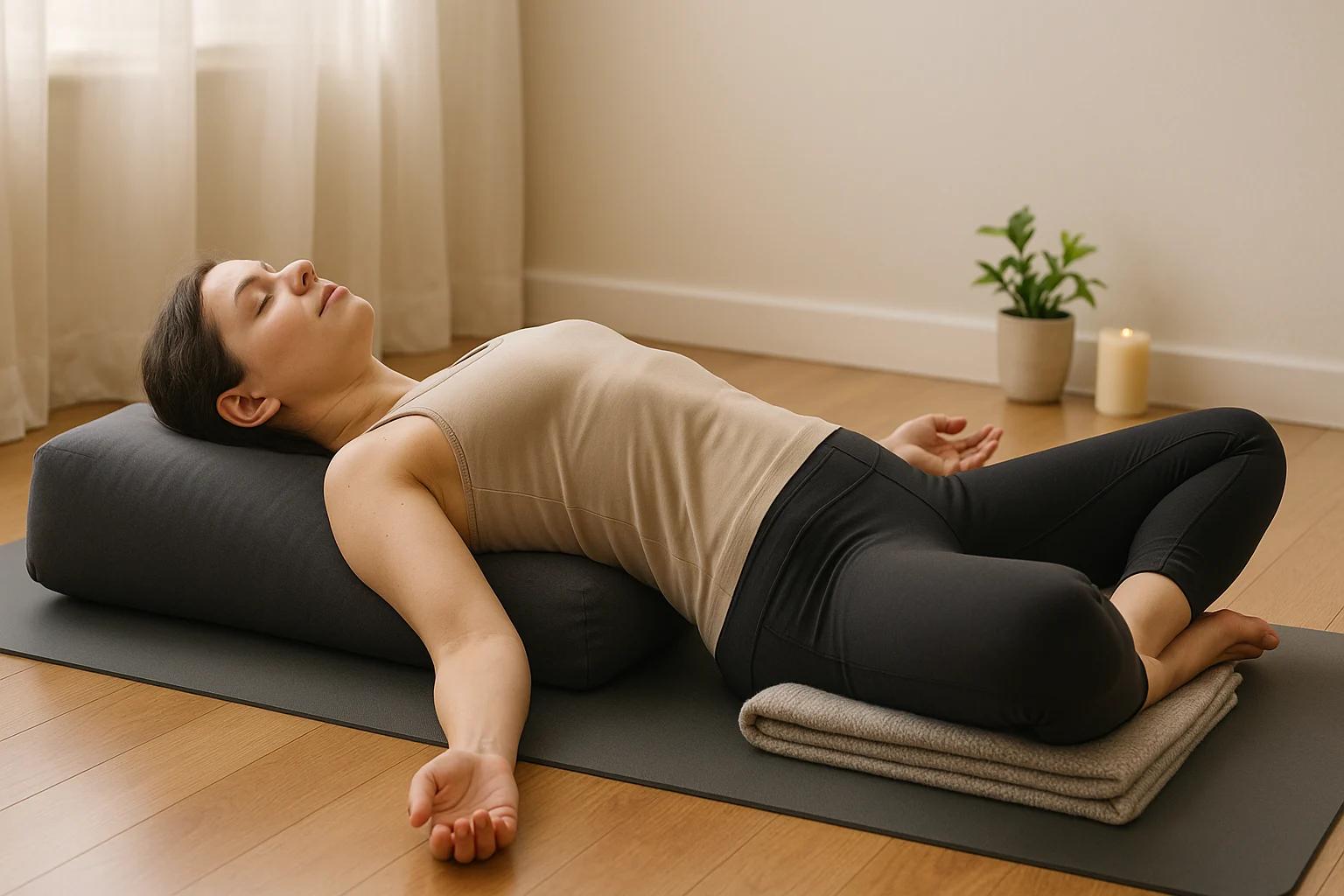
Svaroopa Yoga stands out in a world full of fast, fitness-driven yoga styles. It slows everything down—and that’s exactly the point. Instead of chasing flexibility or sweating through intense flows, this approach focuses on releasing deep tension in the body, especially in the spine.
If you’ve ever felt tight, stressed, or mentally overloaded, Svaroopa Yoga offers a practical way to reset. It works quietly, but the results can feel powerful.
In this guide, you’ll learn what Svaroopa Yoga is, how it works, its benefits, and how to start safely.
What Is Svaroopa Yoga?
Svaroopa Yoga is a therapeutic style of yoga developed by Swami Nirmalananda Saraswati (also known as Rama Berch). The word “Svaroopa” comes from Sanskrit and means “your own true nature.”
This style focuses on:
- Releasing tension from the spine
- Supporting the body with props
- Activating the body’s natural healing response
- Awakening inner awareness
Unlike many modern yoga styles, Svaroopa Yoga doesn’t push your body. It supports your body so it can release tension naturally.
The Philosophy Behind Svaroopa Yoga
Svaroopa Yoga builds on traditional yoga philosophy, especially teachings linked to the Yoga Sutras of Patanjali. The idea is simple but powerful:
When the body releases tension, the mind becomes quiet.
White Lotus Yoga: Meaning, Practice, Benefits, and Modern Relevance
This approach focuses heavily on the spine because yogic tradition sees the spine as the central pathway for energy and awareness.
Instead of forcing movement, Svaroopa Yoga:
- Uses support (blankets, bolsters)
- Encourages deep muscular release
- Works with the nervous system
Think of it as “unwinding” your body rather than “working out.”
How Svaroopa Yoga Is Different from Other Yoga Styles
Most people associate yoga with stretching or strength. Svaroopa Yoga flips that idea.
| Aspect | Svaroopa Yoga | Typical Yoga Styles |
|---|---|---|
| Approach | Release-based | Stretch/strength-based |
| Movement | Minimal | Active |
| Focus | Spine & nervous system | Muscles & flexibility |
| Intensity | Very gentle | Moderate to intense |
| Goal | Inner awareness & healing | Fitness & mobility |
If traditional yoga feels too demanding, Svaroopa Yoga offers a softer entry point.
Core Techniques Used in Svaroopa Yoga
1. Supported Poses (Props Are Essential)
You’ll use blankets, blocks, and bolsters to fully support your body. This support allows muscles to relax deeply.
2. Spinal Release
Teachers guide you to release tension layer by layer along the spine. This process improves alignment without force.
3. Awareness-Based Practice
You stay mentally present during each pose. This builds a strong mind-body connection.
4. Stillness Over Movement
Less movement means more internal awareness. It may look simple, but it works deeply.
Real Benefits of Svaroopa Yoga
Svaroopa Yoga focuses on nervous system regulation and muscular release. Research on yoga and relaxation supports many of its benefits.
1. Reduces Chronic Back Pain
A review published by National Center for Complementary and Integrative Health confirms that yoga can help reduce chronic lower back pain.
Svaroopa Yoga targets the spine directly, which makes it especially useful for back-related issues.
2. Lowers Stress Levels
According to Harvard Medical School, relaxation-based yoga activates the parasympathetic nervous system—the body’s “rest and digest” mode.
This leads to:
- Lower stress hormones
- Slower heart rate
- Improved mental calm
3. Improves Flexibility Naturally
Instead of forcing stretches, muscles release gradually. This leads to safer, long-term flexibility gains.
4. Supports Nervous System Health
Svaroopa Yoga calms the nervous system. This can help people dealing with anxiety, fatigue, or burnout.
5. Enhances Body Awareness
You become more aware of tension patterns. That awareness helps you prevent future discomfort.
Who Should Practice Svaroopa Yoga?
This style works well for people who need healing more than intensity.
You may benefit if you:
- Sit for long hours (desk jobs)
- Experience back or neck tension
- Feel mentally stressed or overwhelmed
- Want a gentle yoga practice
- Are recovering from physical strain
It’s also beginner-friendly. You don’t need flexibility or prior experience.
What a Typical Svaroopa Yoga Session Looks Like
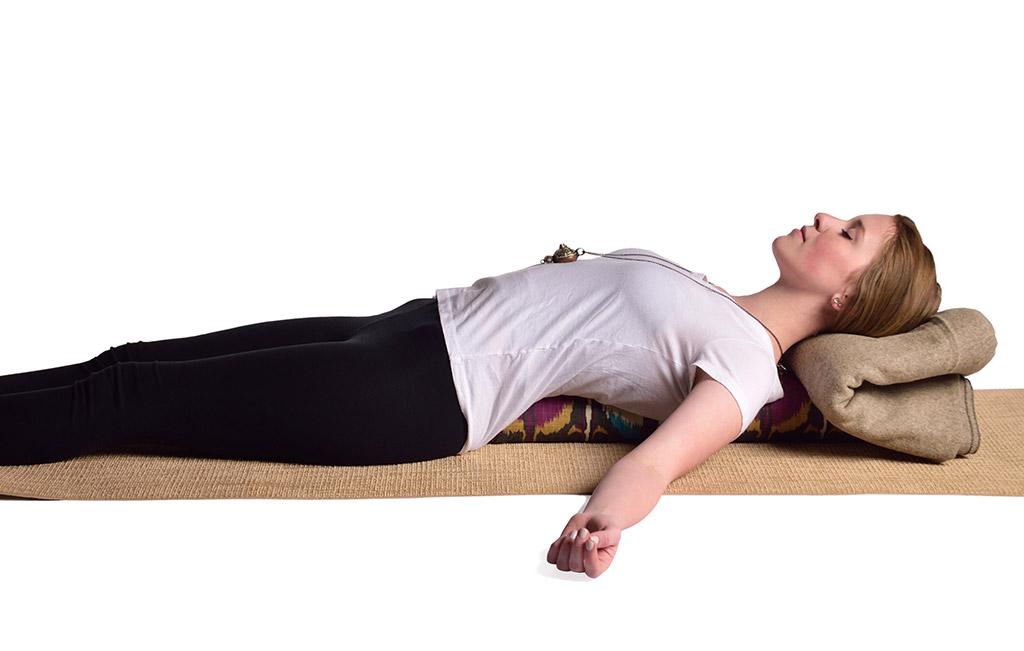
A session usually lasts 60–90 minutes and includes:
1. Settling In
You start by lying down with full support. The goal is to relax completely.
2. Guided Spinal Releases
The instructor guides small adjustments that release deep tension.
3. Gentle Poses
You move slowly into supported poses with minimal effort.
4. Deep Relaxation
The session ends with extended relaxation.
No rushing. No pressure. Just steady release.
How to Start Svaroopa Yoga at Home
You don’t need a studio to begin.
Step 1: Gather Props
Use:
- Folded blankets
- Cushions or pillows
- Yoga mat
Step 2: Choose Simple Poses
Start with:
- Supported lying pose
- Gentle spinal release positions
Step 3: Focus on Comfort
If something feels forced, adjust it. Comfort leads to release.
Step 4: Breathe Naturally
Avoid complex breathing techniques. Keep it slow and relaxed.
Step 5: Practice 3–4 Times a Week
Consistency matters more than duration.
Common Mistakes to Avoid
Even gentle yoga can go wrong if you rush it.
- Trying to stretch too much
- Ignoring body signals
- Skipping props
- Expecting instant results
- Treating it like a workout
Svaroopa Yoga works best when you stay patient.
Svaroopa Yoga and Modern Lifestyle
Modern life creates constant tension—physically and mentally. Long screen hours, poor posture, and stress overload the body.
Svaroopa Yoga addresses these issues directly:
- It improves posture without force
- It reduces stress through relaxation
- It supports long-term spinal health
Organizations like the World Health Organization emphasize stress management as a key part of overall health. Practices like Svaroopa Yoga align well with this need.
Is Svaroopa Yoga Scientifically Backed?
While research specifically on “Svaroopa Yoga” remains limited, studies on yoga, relaxation, and mindfulness strongly support its core principles.
Evidence shows that:
- Gentle yoga reduces pain and stress
- Relaxation improves nervous system function
- Mindfulness enhances mental clarity
This makes Svaroopa Yoga a practical, evidence-aligned approach.
Final Thoughts
Svaroopa Yoga may look simple, but it works at a deep level.
It doesn’t chase intensity. It builds awareness. It doesn’t force flexibility. It creates space for natural release.
If you want:
- Less stress
- Better posture
- A calmer mind
This practice can help.
Sometimes, doing less gives you more. Svaroopa Yoga proves that point quietly—but effectively.
FAQs About Svaroopa Yoga
Is Svaroopa Yoga good for beginners?
Yes. Its gentle and supported approach makes it ideal for beginners.
Do I need flexibility?
No. Flexibility improves naturally over time.
Can it help with back pain?
Yes. Many people use it to reduce spinal tension and discomfort.
How often should I practice?
3–4 times per week works well for most people.
Is it better than other yoga styles?
Not better—just different. It suits people who prefer gentle, therapeutic practice.