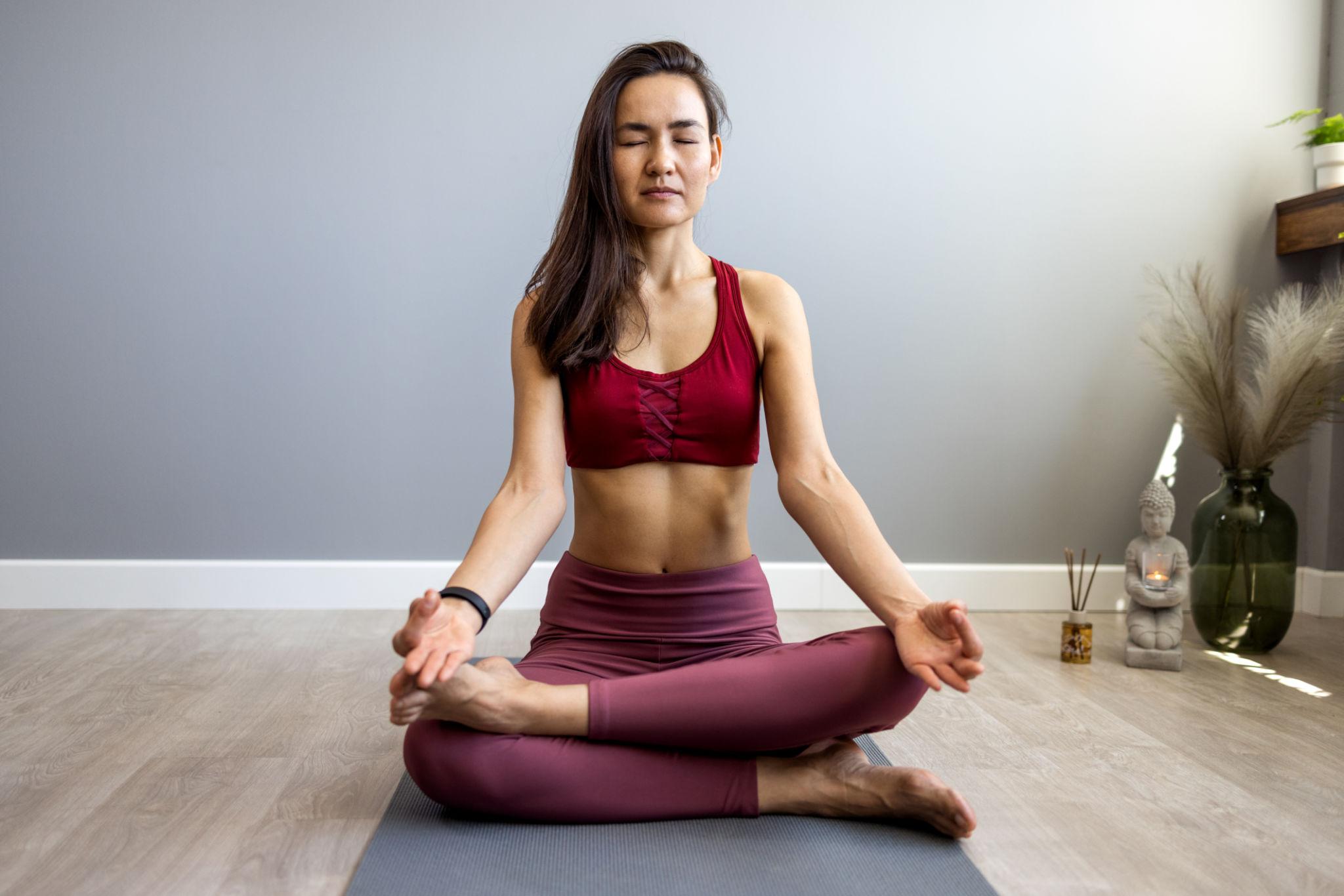
Jivamukti Yoga is not just another yoga style—it’s a full spiritual system that blends physical practice with ancient philosophy, music, and ethical living. If you’ve seen yoga classes that feel like a mix of movement, chanting, and deep reflection, chances are you’ve come across Jivamukti Yoga.
In this guide, you’ll learn what Jivamukti Yoga really is, how it works, and whether it’s right for you. Everything here is based on real teachings, not assumptions, so you can trust the information.
What Is Jivamukti Yoga?
Jivamukti Yoga is a modern yoga method rooted in traditional Indian yoga philosophy. It was developed in 1984 by Sharon Gannon and David Life in New York.
The word “Jivamukti” comes from Sanskrit:
- Jiva = individual soul
- Mukti = liberation
So, Jivamukti Yoga literally means “liberation while living.”
Unlike many fitness-focused yoga styles, Jivamukti Yoga aims to help you achieve spiritual freedom—not just flexibility.
Core Philosophy of Jivamukti Yoga
Jivamukti Yoga stands on five main principles. These are not random ideas—they come from classical texts like the Yoga Sutras of Patanjali and Bhagavad Gita.
1. Ahimsa (Non-Violence)
This principle encourages kindness toward all living beings. Many practitioners adopt a vegetarian or vegan lifestyle as part of this value.
2. Bhakti (Devotion)
Jivamukti includes chanting and devotion. You may hear Sanskrit mantras during class, which helps create a focused and calm mind.
3. Dhyana (Meditation)
Meditation is a core part of every session. It improves concentration and reduces stress.
4. Nada (Sound)
Music plays a big role. Classes often include carefully curated playlists or live chanting to deepen the experience.
5. Shastra (Scripture Study)
Teachers often share teachings from yoga texts, helping students understand the “why” behind the practice.
What Happens in a Jivamukti Yoga Class?
A Jivamukti Yoga class is structured but never boring. Each session follows a theme, often based on a philosophical idea.
Here’s what you can expect:
Opening Chant
Classes usually begin with chanting, like “Om” or other Sanskrit mantras. This sets the tone.
Warm-Up
Gentle stretches prepare your body for movement.
Vinyasa Flow
This is the heart of the class. You move through sequences similar to Vinyasa Yoga, linking breath with movement.
Music Integration
Unlike silent yoga sessions, Jivamukti uses music intentionally. It keeps you engaged and focused.
Meditation & Relaxation
Classes end with meditation and Savasana (rest pose), allowing your body to absorb the practice.
Benefits of Jivamukti Yoga
Jivamukti Yoga offers both physical and mental benefits. Let’s break them down.
1. Improves Flexibility and Strength
The flowing sequences stretch muscles and build strength at the same time.
2. Reduces Stress and Anxiety
Meditation and breathing techniques activate your relaxation response. According to research from Harvard Medical School, mindful practices like yoga can reduce stress hormones.
3. Enhances Mental Clarity
Combining movement with philosophy improves focus and awareness.
4. Encourages Ethical Living
Jivamukti doesn’t stop at the mat. It promotes compassion, sustainability, and conscious choices.
5. Builds Community Connection
Group chanting and shared themes create a sense of belonging.
Jivamukti Yoga vs Other Yoga Styles
Let’s clear the confusion. Many people mix up yoga styles, but Jivamukti has a unique identity.
Jivamukti vs Hatha Yoga
- Hatha Yoga focuses on basic postures and slower movement
- Jivamukti is more dynamic and includes philosophy and music
Jivamukti vs Ashtanga Yoga
- Ashtanga Yoga follows a fixed sequence
- Jivamukti offers creative, theme-based sequences
Jivamukti vs Power Yoga
- Power Yoga emphasizes strength and intensity
- Jivamukti blends intensity with spirituality
In short, Jivamukti is not just physical—it’s experiential.
Who Should Practice Jivamukti Yoga?
Jivamukti Yoga suits a wide range of people, but it works best if you’re looking for more than exercise.
Ideal For:
- People interested in spirituality
- Yoga practitioners who feel bored with routine classes
- Those who enjoy music and group energy
- Anyone looking for mental clarity and emotional balance
Not Ideal If:
- You want purely gym-style workouts
- You prefer silent or minimalistic sessions
What Makes Jivamukti Yoga Unique?
Here’s where things get interesting.
1. Music Is Not Background—It’s a Tool
In most yoga classes, music is optional. In Jivamukti, it’s intentional and meaningful.
2. Philosophy Is Practical
You don’t just hear teachings—you apply them in real life.
3. Every Class Has a Theme
This keeps sessions fresh and engaging. One day you explore compassion, the next day awareness.
4. Activism and Awareness
Jivamukti Yoga often promotes environmental and animal rights awareness. It encourages conscious living.
Scientific Backing: Does It Really Work?
Yoga, including Jivamukti, has strong scientific support.
- Studies published in the Journal of Clinical Psychology show yoga helps reduce anxiety and depression
- Research from National Institutes of Health confirms yoga improves flexibility, balance, and stress levels
While Jivamukti-specific studies are limited, its components—movement, meditation, and breathwork—are well-researched.
Tips for Beginners
Starting Jivamukti Yoga can feel intense, but a few smart steps make it easier.
Start Slow
Don’t try to master everything in one class.
Focus on Breath
Your breath guides your movement. If you lose your breath, slow down.
Keep an Open Mind
Chanting and philosophy might feel new. Give it time.
Choose the Right Class Level
Many studios offer beginner-friendly sessions.
Common Mistakes to Avoid
Even experienced yoga lovers make these mistakes.
Ignoring Philosophy
Jivamukti is not just physical. Skipping the philosophy limits the experience.
Overthinking the Music
Some beginners feel distracted. Instead, let the music guide your flow.
Comparing With Others
Yoga is personal. Focus on your progress, not someone else’s flexibility.
Jivamukti Yoga at Home
You don’t need a studio to start.
Basic Setup:
- A yoga mat
- Comfortable clothing
- A quiet space
- Optional: music playlist
Simple Routine:
- 5 minutes breathing
- 20 minutes flow practice
- 5 minutes meditation
Consistency matters more than perfection.
Is Jivamukti Yoga Worth It?
If you want a deeper connection between body, mind, and values—yes, it’s worth it.
Jivamukti Yoga doesn’t promise quick results. Instead, it offers long-term transformation. You don’t just become flexible—you become aware.
FAQs About Jivamukti Yoga
What level is Jivamukti Yoga?
It ranges from beginner to advanced, but many classes are physically challenging.
Do I need to believe in spirituality?
No. You can practice for fitness, but openness enhances the experience.
Is Jivamukti Yoga religious?
It’s spiritual, not religious. It draws from ancient texts but doesn’t require belief.
How often should I practice?
3–5 times per week works well for most people.
Can beginners try Jivamukti Yoga?
Yes, but start with beginner classes to avoid overwhelm.
Final Thoughts
Jivamukti Yoga stands out because it blends movement, music, and meaning. It respects ancient traditions while staying relevant in modern life.
If you’re tired of routine workouts and want something deeper, this practice offers a refreshing shift. It challenges your body, sharpens your mind, and gently pushes you toward a more conscious way of living.
And honestly, once you experience a class where philosophy meets flow—with the right music in the background—you’ll understand why Jivamukti Yoga has such a loyal following.